Auto Grille Pros / Journal
Comprehensive Guide to Auto Thermostats: Ensuring Optimal Engine Performance
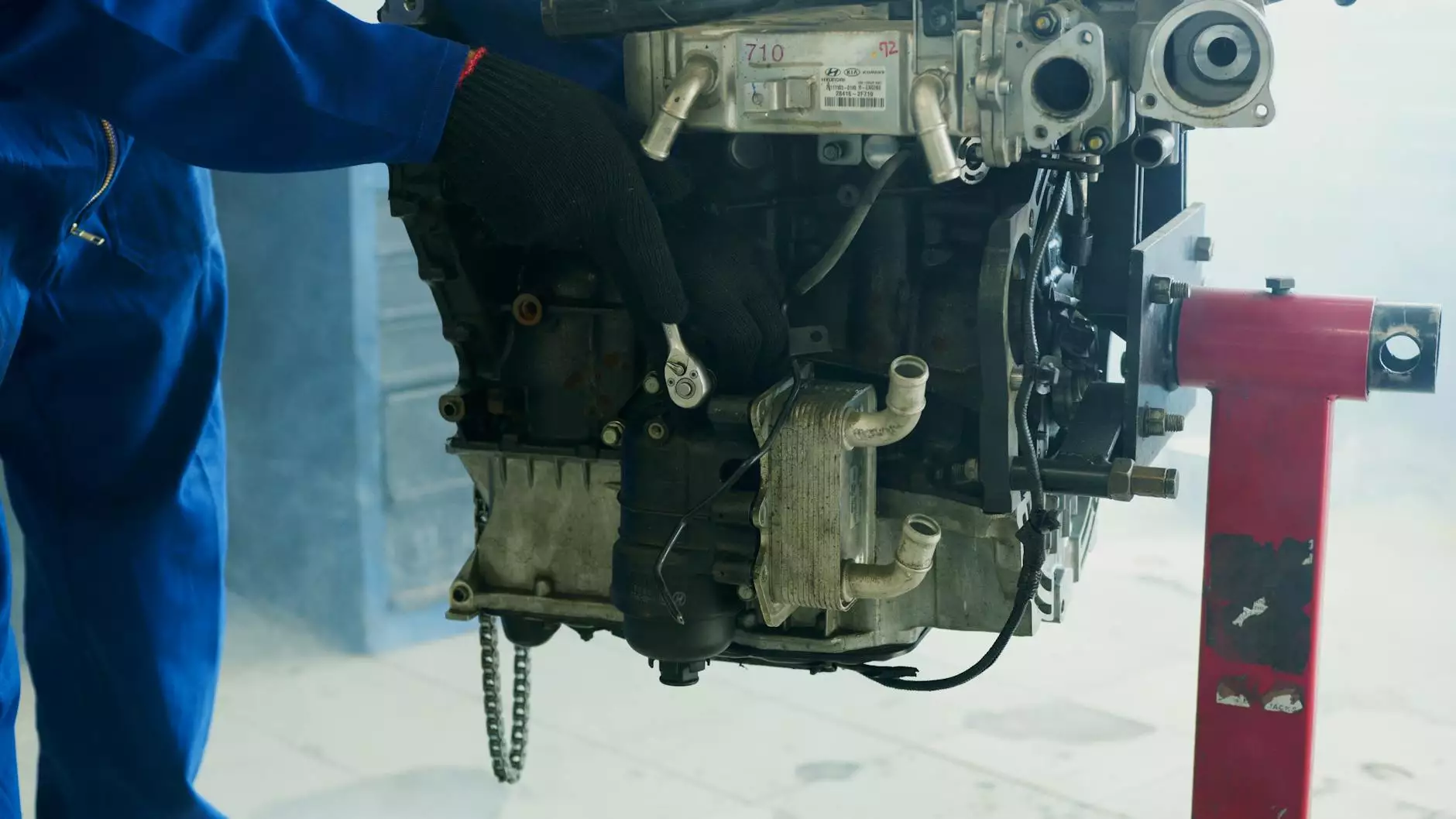
In the intricate world of automotive engineering, auto thermostats play a crucial yet often overlooked role in maintaining your vehicle's health and performance. Understanding the significance, functioning, and proper maintenance of auto thermostats can not only extend your engine's lifespan but also optimize fuel efficiency, reduce emissions, and prevent costly repairs. This comprehensive guide dives deep into the mechanics, importance, and tips related to auto thermostats, equipping car owners, mechanics, and enthusiasts with valuable knowledge to make informed decisions.
What is an Auto Thermostat? A Fundamental Component of Your Car’s Cooling System
An auto thermostat is a vital component within a vehicle's cooling system responsible for regulating the engine's temperature. It acts as an intelligent gatekeeper that controls the flow of coolant between the engine and the radiator. The primary function of the auto thermostat is to maintain the engine at an optimal operating temperature, which typically ranges between 195°F and 220°F (90°C to 105°C), depending on the vehicle manufacturer specifications.
When the engine is cold, the auto thermostat remains closed, trapping coolant within the engine to allow for rapid warming. Once the engine reaches the designated temperature, the thermostat opens, permitting coolant to circulate through the radiator, where it dissipates heat, preventing the engine from overheating. As the engine cools down, the thermostat closes again to maintain a consistent, safe temperature. This delicate balancing act is essential for efficient engine performance, emissions control, and fuel economy.
The Anatomy of an Auto Thermostat: Components and How It Works
- Thermostatic Valve: This is the core of the thermostat, composed of a temperature-sensitive material, typically a wax pellet or a bimetallic strip, that expands or contracts with temperature changes to open or close the valve.
- Spring: Provides tension to keep the valve closed until the specified temperature is reached.
- Encasing: Usually made of durable metal or composite material that houses the internal components and ensures integrity under high temperatures and pressures.
- Wax Capsule or Bimetallic Strip: Acts as the temperature sensor; wax expands when heated, pushing against the valve, or the metallic strip bends to open or close the valve depending on the design.
Why Auto Thermostats Are Critical for Vehicle Performance
The auto thermostat is more than just a temperature regulator; it is a pivotal factor influencing engine efficiency, emissions, and longevity. Here's why:
1. Maintains Optimal Engine Temperature
Consistently operating within the ideal temperature range ensures maximum combustion efficiency and reduces wear and tear on engine components. An auto thermostat adjusts coolant flow to keep the engine temperature stable, preventing overheating or unnecessary cooling.
2. Improves Fuel Economy
Engines operate most efficiently at specific temperatures. When the auto thermostat regulates temperature effectively, combustion processes become more complete, reducing fuel consumption and emissions. A faulty thermostat can cause the engine to run too cold or too hot, increasing fuel burn and decreasing efficiency.
3. Protects Engine Components and Extends Lifespan
Overheating can lead to severe damage, including warped cylinders, blown head gaskets, and damaged pistons. Conversely, running too cold prevents proper lubrication and causes increased engine wear. The auto thermostat shields the engine from such issues by maintaining a stable temperature environment.
4. Ensures Proper Heating and Cooling for Passenger Comfort
The heater core relies on the cooling system to supply hot coolant, which is regulated by the auto thermostat. Proper thermostat function assures a comfortable cabin temperature and defrosting capabilities, enhancing overall comfort and safety.
Common Signs of a Failing Auto Thermostat
Identifying a malfunctioning auto thermostat early prevents costly repairs. Typical symptoms include:
- Engine overheating: The temperature gauge spikes above normal or the radiator becomes excessively hot.
- Engine runs too cold: The temperature gauge stays below normal, indicating the thermostat is stuck open.
- Fluctuating temperature readings: Sudden spikes or drops in temperature suggest inconsistent thermostat operation.
- Poor heater performance: The vehicle's heating system fails to produce warm air despite the engine warming up.
- Check engine light: Some vehicles register thermostat issues as diagnostic trouble codes, triggering the warning light.
Choosing the Right Auto Thermostat for Your Vehicle
Selecting an appropriate auto thermostat is crucial for optimal performance. Consider the following factors:
1. Compatibility
Ensure the thermostat matches your vehicle's make, model, and engine specifications. Refer to your owner's manual or consult with an experienced mechanic.
2. Quality and Material
Invest in a high-quality thermostat made from durable materials such as bronze or stainless steel, which resist corrosion and withstand high temperatures.
3. Temperature Rating
The thermostat is designed to open at a specific temperature. Verify that this aligns with your engine’s design requirements to maintain optimal operating conditions.
4. Brand Reputation
Opt for reputable brands known for reliability and precision, such as Stant, Motorad, or Gates. These manufacturers often provide warranties and detailed product specifications.
Installation and Maintenance of Auto Thermostats
Proper installation is essential for ensuring the auto thermostat operates as intended. Here are key steps and tips:
- Allow the engine to cool completely before removing the old thermostat.
- Drain a portion of the coolant to prevent spillage during removal.
- Remove any components obstructing access to the thermostat housing, such as hoses or covers.
- Carefully extract the old thermostat and inspect the housing for corrosion or damage.
- Insert the new auto thermostat, ensuring it is seated correctly and oriented as per manufacturer instructions.
- Replace the housing, reconnect hoses, and refill the cooling system with fresh coolant.
- Bleed the cooling system to remove air pockets, which can cause overheating or hot spots.
- Start the engine and observe the temperature gauge, checking for proper operation and absence of leaks.
Regular maintenance, including coolant flushes and inspections, can prolong the life of your auto thermostat and your cooling system overall.
Innovations and Advances in Auto Thermostat Technology
The automotive industry continually develops advanced auto thermostat systems aimed at enhancing engine performance and efficiency. Noteworthy innovations include:
- Electronic thermostats: Use sensors and electronic controls to optimize temperature regulation more precisely than traditional mechanical models.
- Adaptive thermostats: Adjust their opening temperatures based on driving conditions, weather, and engine load, providing dynamic regulation for better fuel economy and emissions control.
- Smart cooling systems: Integration with vehicle computer systems to provide diagnostic information, predictive maintenance alerts, and remote diagnostics.
Final Thoughts: The Critical Role of Auto Thermostats in Your Vehicle's Health
Understanding the function and importance of the auto thermostat is essential for any vehicle owner committed to maintaining peak engine performance. From ensuring optimal temperature regulation to preventing costly engine damage, this small but vital component deserves proper attention and care. Whether you're considering an upgrade, replacement, or routine maintenance, choose high-quality parts from trusted brands and follow best practices for installation and upkeep.
At 1autoparts.com, we specialize in supplying top-tier auto thermostats and all essential vehicle parts, backed by expert advice and competitive pricing. Trust us to help you keep your vehicle running smoothly, efficiently, and reliably for miles to come.
Remember:
The auto thermostat is the unsung hero of your engine’s cooling system. Properly functioning, it ensures your vehicle performs at its best, reduces emissions, and prolongs engine life. Don't overlook it — maintain it well, and enjoy the prolonged health and performance of your car.