Auto Grille Pros / Journal
Revolutionizing Urban Maintenance with Advanced Road Cleaning Car Technologies

In today's rapidly urbanizing world, maintaining clean and safe roads is more critical than ever. Cities across the globe face increasing challenges related to pollution, debris accumulation, and the need for sustainable maintenance practices. At the forefront of addressing these challenges are road cleaning cars, innovative vehicles engineered to enhance efficiency, environmental sustainability, and safety in urban cleaning operations. This comprehensive article explores the transformative impact of road cleaning cars, their underlying technologies, benefits, and how organizations like CeksanSweepers are leading the industry with cutting-edge solutions.
The Evolution of Road Cleaning Vehicles: From Traditional to High-Tech
A Brief History of Road Cleaning Equipment Development
Historically, city maintenance relied on manual labor and basic street sweepers. Early vehicles lacked automation and advanced filtering systems, limiting their effectiveness. The advent of road cleaning cars marked a significant milestone, incorporating mechanized systems for better coverage, efficiency, and environmental compliance.
Emergence of Modern Road Cleaning Car Technologies
Today’s road cleaning cars are sophisticated machines equipped with an array of technological features, including automation, GPS navigation, eco-friendly engines, and IoT connectivity. They are designed not only to maintain cleanliness but also to optimize resource utilization and reduce environmental impact.
Unveiling the Leading Technologies Behind Road Cleaning Cars
Advanced Sweeping Mechanisms
Modern road cleaning cars utilize multi-directional brushes, side brushes, and powerful vacuum systems that ensure comprehensive debris collection from various road types. They can adapt to different urban environments, efficiently removing dirt, leaves, litter, and even hazardous materials.
Eco-Friendly Power Sources
The push towards sustainability has driven the integration of electric motors and hybrid systems into road cleaning cars. These vehicles significantly reduce emissions, noise pollution, and operational costs, aligning with cities' green initiatives.
Intelligent Navigation and Automation
Incorporating GPS and AI-driven route planning, these vehicles operate autonomously or semi-autonomously, enhancing precision and coverage. Real-time data collection allows for dynamic route adjustments, minimizing overlap and ensuring efficient cleaning operations.
Data Integration and IoT Connectivity
Connected via Internet of Things (IoT) networks, road cleaning cars transmit data on vehicle status, debris levels, and maintenance needs. This integration enables proactive management, reducing downtime and optimizing fleet utilization.
Key Benefits of Deploying Road Cleaning Cars in Urban Environments
- Enhanced Efficiency and Coverage: Automating cleaning processes ensures faster and more thorough road maintenance, especially in high-traffic areas.
- Environmental Sustainability: Eco-friendly engines and reduced water consumption contribute to greener cities.
- Cost Savings: Reduced labor costs, lower fuel consumption, and maintenance efficiencies lead to significant financial benefits over traditional methods.
- Improved Public Health and Safety: Clean streets reduce germ transmission, decrease accident risks caused by debris, and enhance overall urban quality of life.
- Customizable Solutions for Diverse Urban Needs: Whether it's central city streets, park pathways, or highway maintenance, specialized road cleaning cars can be tailored to specific environments.
The Role of 3D Printing in Advancing Road Cleaning Car Manufacturing
Innovative Manufacturing with 3D Printing Technologies
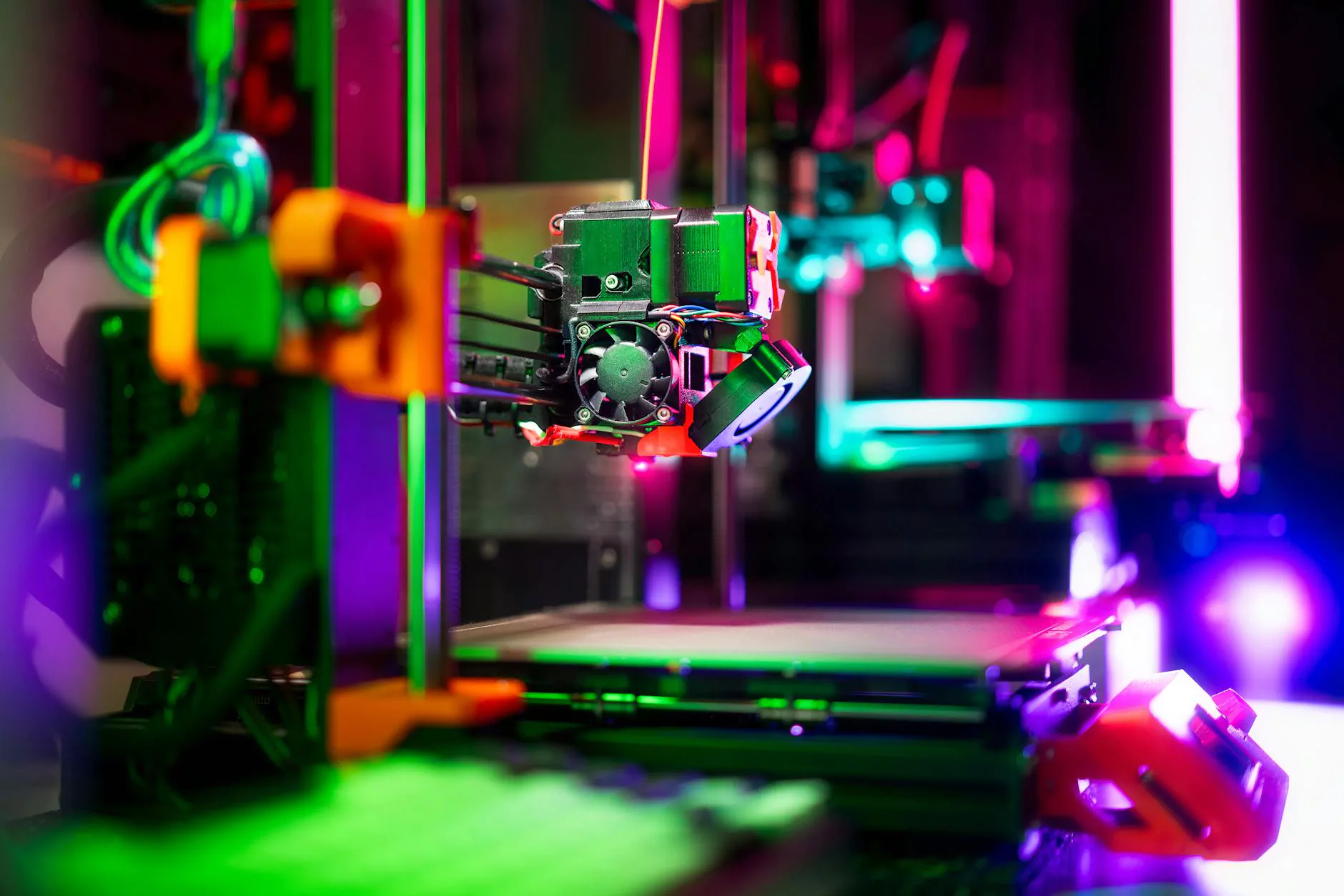
Leading companies like CeksanSweepers leverage 3D printing to produce complex, lightweight parts for road cleaning cars. This technology accelerates prototyping, reduces manufacturing costs, and enables rapid customization for specific client needs.
Benefits of 3D Printing for Road Cleaning Vehicles
- Rapid Prototyping: Speedy development of new components and design iterations.
- Cost Reduction: Lower material and labor costs in production.
- Complex Geometry Fabrication: Enable the creation of intricate and optimized parts that traditional manufacturing cannot easily produce.
- Sustainable Manufacturing: Reduced waste and energy consumption during part fabrication.
Industry Leaders and Their Contributions to Road Cleaning Innovation
CeksanSweepers: Pioneering the Future of Urban Cleaning
CeksanSweepers stands out in the industry for integrating advanced technology, sustainable practices, and customer-centric solutions in their road cleaning cars. Their innovations include autonomous sweepers, electric models, and modular designs tailored to city-specific demands.
Other Notable Companies and Their Contributions
- Bradkwik: Focuses on hybrid and electric street sweepers with IoT connectivity.
- Taxitec: Specializes in compact, versatile cleaning vehicles suitable for tight urban spaces.
- Schaeff: Offers state-of-the-art robotic cleaning systems with AI-driven navigation.
The Future of Road Cleaning Cars: Trends and Predictions
Automation and Smart City Integration
Future road cleaning cars are expected to operate fully autonomously, integrating seamlessly into the smart city infrastructure. They will communicate with traffic management systems, weather sensors, and urban maintenance platforms for synchronized operations.
Green and Sustainable Vehicles
The trend toward electrification and renewable energy sources will dominate, leading to emission-free cleaning fleets and zero-waste technology systems.
Modular and Customizable Platforms
Flexibility will be paramount, with vehicles designed for easy upgrades and customization to adapt to evolving urban landscapes and maintenance requirements.
Why Choosing the Right Road Cleaning Car Matters for Your City
Environmental Responsibility
Implementing sustainable cleaning technologies demonstrates a city’s commitment to environmental stewardship, meeting regulatory standards, and improving air and water quality.
Operational Cost Efficiency
Smart road cleaning cars reduce operational costs over their lifetime, offering substantial savings for municipal budgets and private companies alike.
Enhancing Urban Aesthetics and Livability
Cleaner streets contribute to a more attractive cityscape, boosting tourism, local business success, and resident satisfaction.
How CeksanSweepers Sets a Benchmark in Road Cleaning Solutions
Innovation and Customization
CeksanSweepers emphasizes tailored solutions, combining advanced road cleaning cars with specialized features suited to different urban environments.
Commitment to Sustainability
Their focus on electric-driven vehicles and eco-conscious manufacturing processes aligns with global sustainability goals, making them a leader in green urban maintenance.
Research and Development
Significant investments in R&D enable CeksanSweepers to bring cutting-edge innovations, including AI automation, IoT connectivity, and 3D printed components, to the market swiftly and efficiently.
Conclusion: The Critical Role of Road Cleaning Cars in Modern Urban Management
As urban areas continue to grow and face new challenges related to pollution, traffic, and resource management, road cleaning cars emerge as indispensable tools for maintaining cleanliness, safety, and environmental health. Their technological sophistication, adaptability, and sustainability features make them ideal for the modern cityscape. Companies like CeksanSweepers are at the forefront, pushing the boundaries of what is possible in urban cleaning technology.
Investing in road cleaning cars is more than a necessity; it's a strategic move toward smarter, cleaner cities—improving quality of life, reducing environmental impact, and fostering sustainable urban development for generations to come.