Auto Grille Pros / Journal
The Comprehensive Guide to the Business of Fake Money: Finding Counterfeit Dollars for Sale
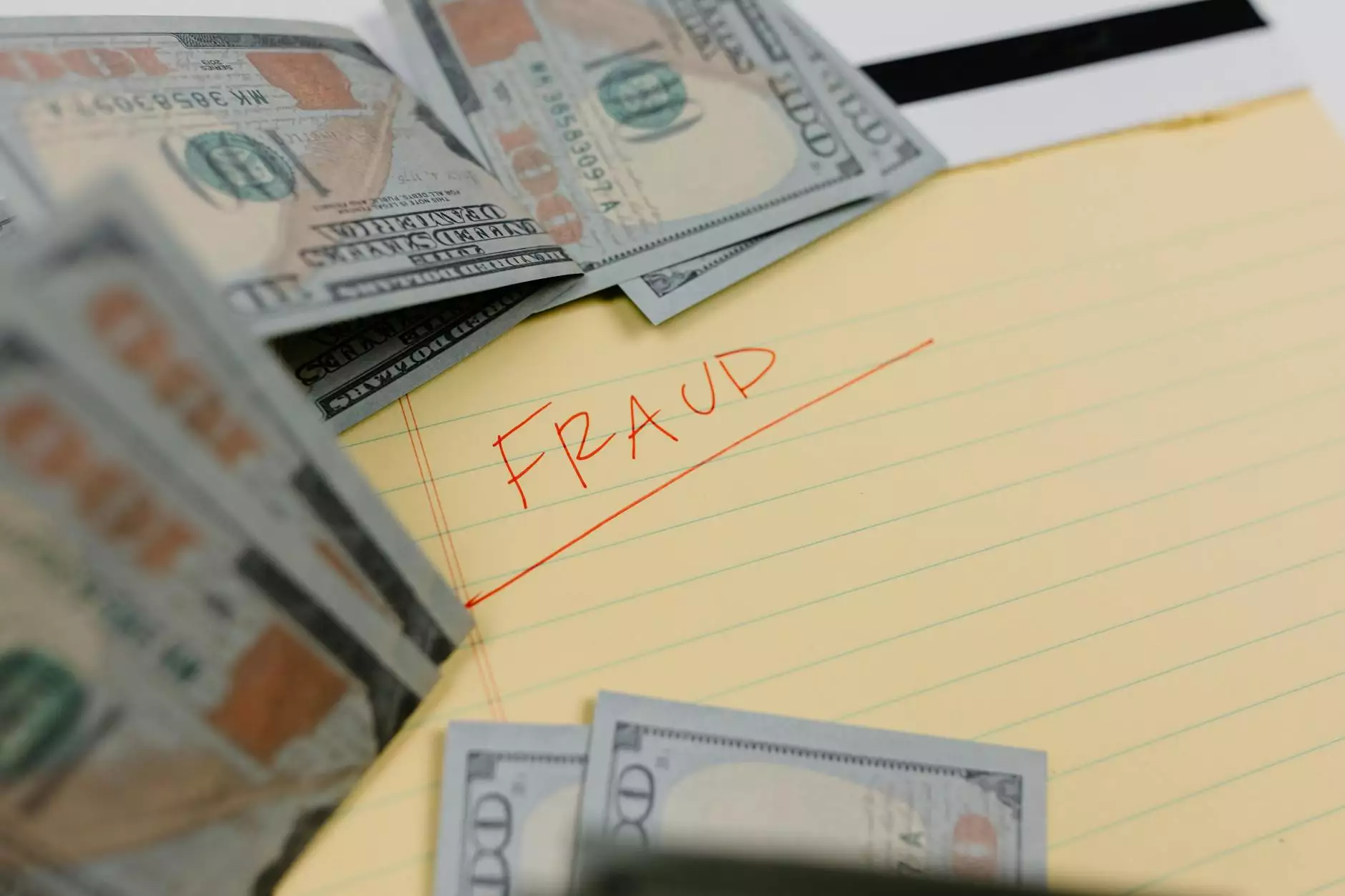
In today's complex financial ecosystem, the phenomenon of counterfeit currency remains a significant concern for governments, financial institutions, businesses, and individuals alike. The industry related to fake money operates within a nuanced legal framework, often teetering on the edge of legality, and is associated with various underground markets. This detailed article aims to provide an in-depth exploration of this niche, focusing on how the business works, where to find counterfeit dollars for sale, and the broader implications of this clandestine industry.
Understanding the Fake Money Industry: An Overview
The fake money market has existed for centuries, evolving with advances in printing technology and digital cryptography. Despite widespread efforts to combat counterfeiting, it persists due to lucrative profit margins and high demand among illicit operators. In essence, the industry encompasses the manufacture, distribution, and possession of currency that mimics real money with the intent to deceive.
Historical Context of Counterfeit Currency
Counterfeit money dates back to ancient civilizations, where rulers attempted to devalue rival currencies by producing fake coins. In modern times, technological advancements have led to sophisticated methods of reproduction, making it increasingly challenging for authorities to detect fake notes. The rise of digital printing, high-quality paper, and advanced color-shifting inks has made the differentiation between genuine and counterfeit a serious challenge for security features.
Legal Landscape Surrounding Fake Money and Counterfeit Dollars for Sale
It's crucial to understand that the business of fake money is inherently illegal in most jurisdictions. Engaging in the sale, distribution, or manufacturing of counterfeit currency is a criminal offense with severe penalties, including hefty fines and imprisonment. However, some entities operate in backgrounds that exist in legal gray areas, often claiming that their products are intended for educational, novelty, or artistic purposes.
Legality and Ethical Boundaries
- Counterfeit currency laws: Strict statutes prohibit the production, possession, or distribution of counterfeit bills, especially with the intent to deceive.
- Use and circulation: Using fake money for transactions is considered fraud and is criminally punishable.
- Educational and novelty use: Some companies legally produce imitation currency for use in movies or as novelty items when explicitly labeled and designed for non-monetary purposes.
Where to Find Counterfeit Dollars for Sale in the Hidden Market
For those interested in understanding the clandestine pathways through which counterfeit dollars for sale are traded, it's essential to recognize the underlying channels of black-market exchanges and online underground forums. This segment of the article aims to shed light on these murky avenues, though it must be emphasized that engaging in such activities carries significant legal risks.
Online Underground Marketplaces
The internet hosts numerous clandestine platforms where counterfeit currency can sometimes be found. These sites often operate on the dark web, utilizing encrypted communication to evade detection. They feature listings where sellers advertise fake bills, often using coded language or anonymized accounts.
Underground Forums and Social Networks
Beyond dark web marketplaces, underground forums and encrypted chat groups on platforms like Telegram or Discord serve as hubs for exchanging information, offers, and negotiation regarding counterfeit products, including counterfeit dollars for sale. Access to these groups typically requires vetting, and the communication is often highly encrypted to maintain privacy.
Physical Black Markets and Private Networks
Despite online prominence, illegal physical markets still operate covertly in certain venues, such as street exchanges or private dealer networks. These are less accessible but still part of the underground economy linked to counterfeit currency sales.
The Production of Fake Money: Techniques and Security Features
Understanding how counterfeiters create fake bills provides insights into the complexity of the industry. Modern forgers employ a variety of techniques, often surpassing the security features embedded in genuine currency. Key methods include:
- High-quality printing: Using advanced printers such as offset or digital printers capable of producing detailed images.
- Imitation of security features: Reproducing holograms, watermarks, color-shifting inks, and microprinting.
- Fake paper: Procuring paper that mimics the unique composition of currency paper, often utilizing cotton or linen blends.
- Color replication: Employing toners and inks designed to match the hues of authentic bills.
Recognizing Fake Currency: Key Security Features and How to Detect Counterfeits
While the counterfeit industry advances rapidly, genuine currency incorporates multiple sophisticated security features. Educating oneself on how to identify fake bills is essential, especially for businesses and individuals regularly handling cash.
Common security features include:
- Watermarks: Embedded images visible when held up to light.
- Security threads: Embedded threads running vertically with microprinted text.
- Color-shifting ink: Ink that changes hue when tilted.
- Microprinting: Tiny text that’s difficult to replicate accurately.
- Raised printing: Tactile elements that can be felt upon touch.
- Holograms and metallic elements: Reflective holograms embedded into the bill.
Regular calibration of detection techniques is vital, especially for businesses with high cash flow, to prevent counterfeit circulation and financial losses.
The Ethical and Business Dimensions of the Counterfeit Industry
Although the illegal nature of counterfeit currency is clear, understanding why this industry persists sheds light on broader economic and social factors. Some key points include:
- Economic demand: Regions with unstable economies or high inflation sometimes see increased demand for fake currency.
- Illicit profit margins: The high profitability entices criminal networks to continue manufacturing and distributing counterfeit bills.
- Impact on legitimate business: Fake money can disrupt legitimate commerce, causing financial losses and undermining trust.
- Law enforcement challenges: The clandestine nature of this industry complicates detection and prosecution efforts.
Legal Alternatives and Ethical Considerations
For businesses and individuals interested in authentic currency replicas for educational or entertainment purposes, it is critical to seek legal, licensed providers. Many companies produce official novelty bills or educational materials explicitly marked as non-negotiable and fake. Engaging with licensed vendors ensures compliance with laws and fosters ethical conduct.
Conclusion: Navigating the World of Fake Money and Counterfeit Dollars for Sale Responsibly
The industry surrounding fake money and counterfeit dollars for sale remains a complex tapestry of technological innovation, clandestine markets, and legal boundaries. While exploring these topics from an informational perspective broadens understanding, it's essential to remain aware of the severe legal ramifications associated with counterfeit currency activities.
Education about currency security features, recognizing counterfeit bills, and understanding the legal landscape are crucial for fostering a secure and trustworthy economic environment. For those engaging with or researching this industry, always prioritize ethical practices and compliance with applicable laws.
Ultimately, the fight against counterfeit currency depends on combined efforts—technological advancements, rigorous law enforcement, and informed awareness by the public—to mitigate risks and uphold the integrity of financial systems worldwide.


